Disconnecting to Restore Balance
Modern life is defined by constant connection. Phones, notifications, and digital obligations follow people from morning to night, leaving little room for uninterrupted rest. While technology offers convenience and efficiency, it also creates a pace that can feel relentless. Quiet time has become increasingly rare, yet it remains essential for physical and emotional well being. At The Lux Day Spa, we view intentional quiet as a meaningful part of restoring balance.

Why Constant Connection Creates Fatigue
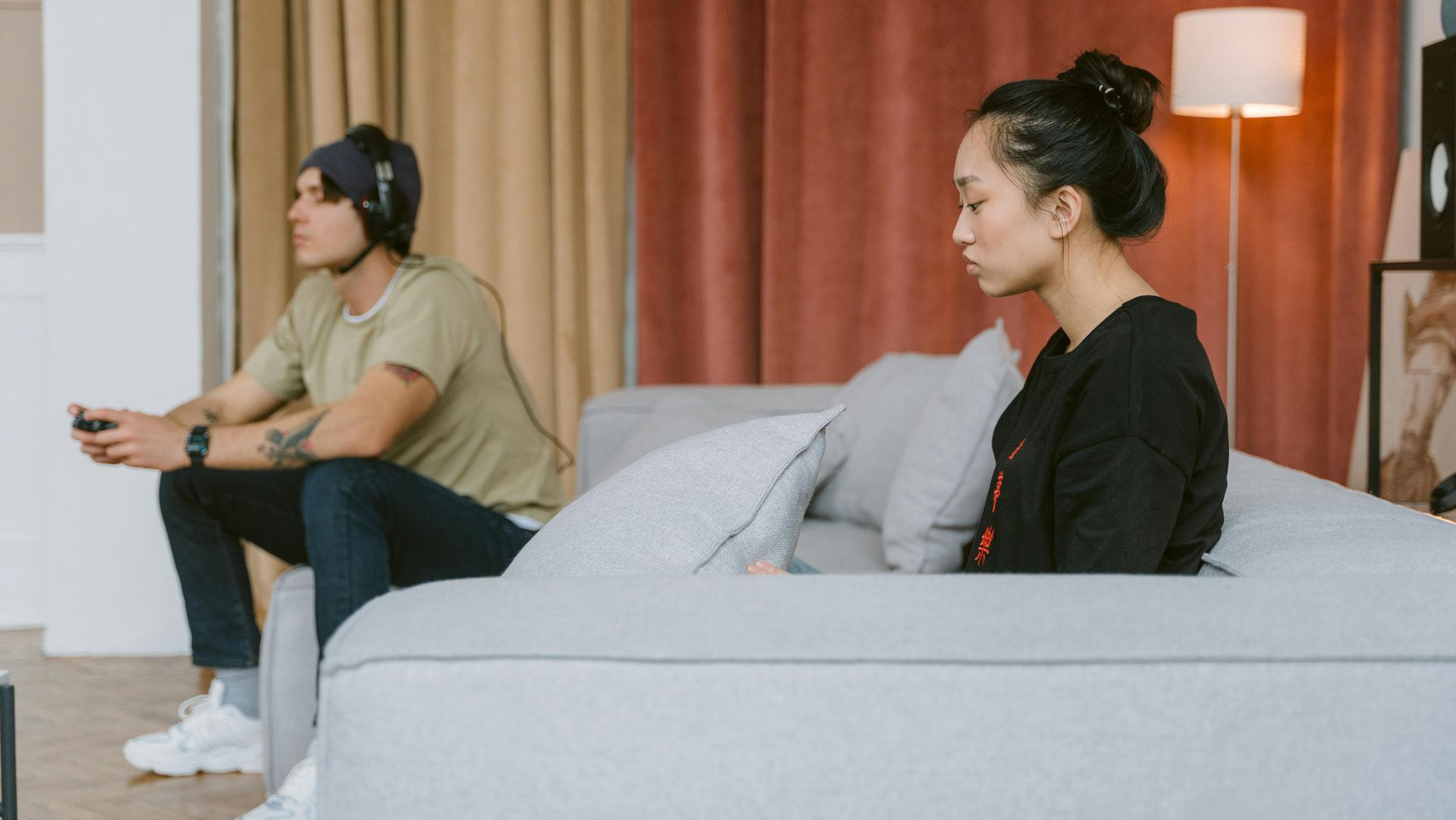
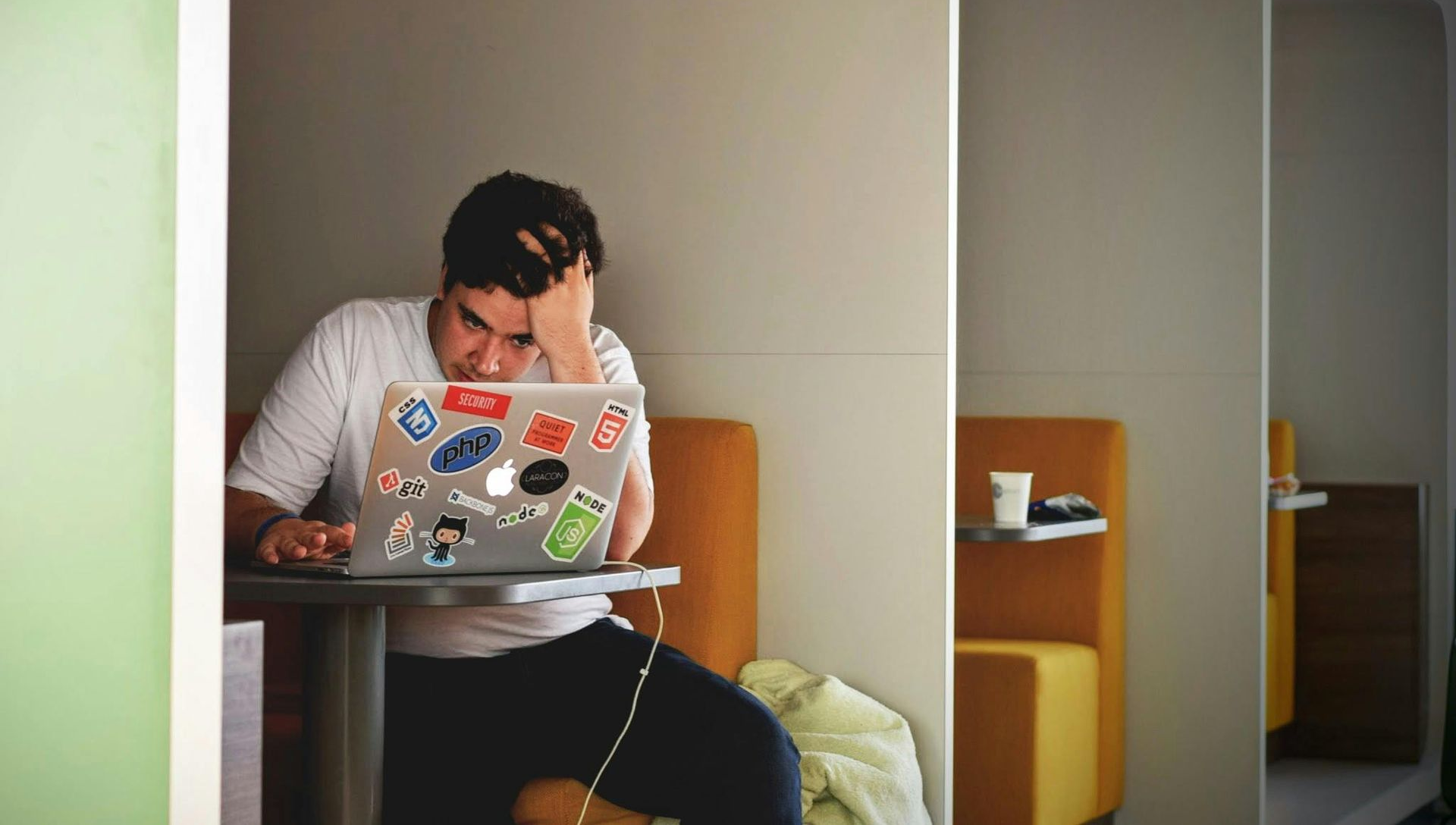
Being continually connected places ongoing demands on attention and nervous system activity. Even when screens are not actively in use, the anticipation of messages or alerts can create a state of low level stress. Over time, this can contribute to mental fatigue, muscle tension, and difficulty fully relaxing.
Quiet time allows the body to
move out of this heightened state. When external stimulation decreases, the nervous system has an opportunity to settle. This shift supports relaxation and helps individuals feel more present in their bodies.
Quiet Time Is Not the Same as Inactivity
Quiet time is often misunderstood as doing nothing. In reality, it is about reducing external input and allowing space for awareness and rest. This may involve sitting in silence, receiving a treatment in a calm environment, or simply being free from constant interruptions.
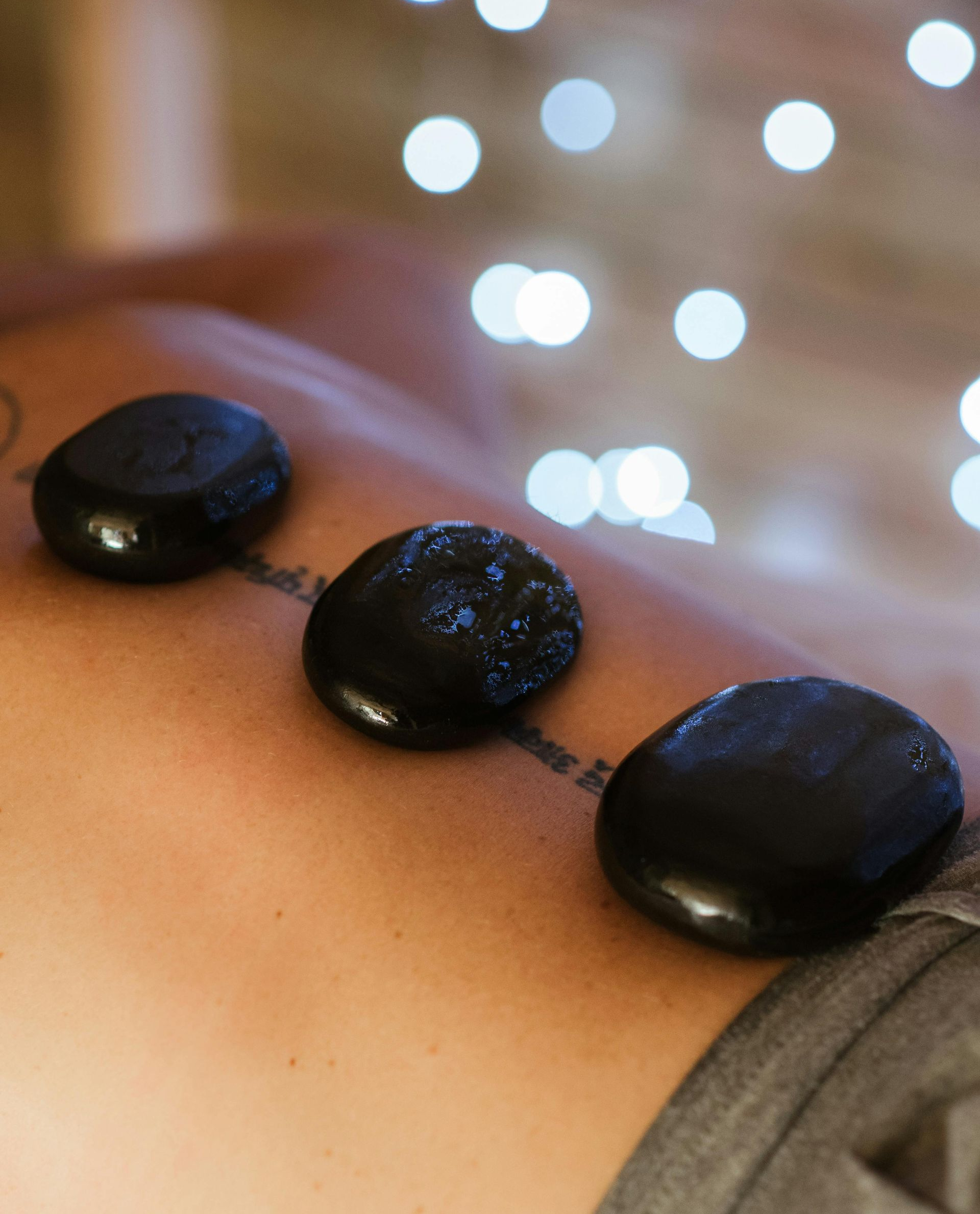
At the spa, quiet time is built into the experience intentionally. Soft lighting, minimal noise, and unhurried pacing allow guests to step away from the demands of daily life. This environment supports relaxation in a way that is difficult to replicate elsewhere.
The Role of Stillness in Stress Regulation
Periods of stillness may help regulate stress responses for some individuals. When the body is not constantly reacting to stimuli, it can begin to release tension that accumulates throughout the day. Muscles may soften, breathing may slow, and mental chatter may quiet.
While everyone responds differently, many guests describe feeling more grounded after time spent in a quiet, supportive setting. This sense of calm can carry forward into daily routines and interactions.

Reconnecting With the Body
Constant connectivity often pulls attention outward. Quiet time allows focus to return inward. Sensations, posture, and breathing become more noticeable when distractions are removed. This awareness can help people recognize areas of tension or fatigue that may otherwise go unnoticed.
Spa treatments often enhance this reconnection. Whether through massage, skin care, or other services, the absence of digital interruptions allows guests to fully experience the moment. This presence supports a deeper sense of restoration.
Creating Space for Mental Clarity
Mental clarity often emerges when noise decreases. Without the pressure to respond or multitask, thoughts can settle naturally. This does not require forced meditation or effort. It comes from giving the mind permission to rest.
Many guests find that quiet time helps them feel more focused and centered afterward. This clarity can support decision making, emotional balance, and a more intentional approach to daily life.

Quiet Time as a Form of Self Respect
Taking time to disconnect is not avoidance. It is an acknowledgment that rest is necessary. In a culture that often rewards constant availability, choosing quiet time is a way of honoring personal limits and needs.
At The Lux Day Spa, we see quiet time as a meaningful act of self care. It is not about escaping responsibilities but about returning to them with greater balance and resilience.
Restoring Balance Through Intention
Balance is not achieved by adding more tasks or commitments. It is created by intentionally making space for rest and reflection. Quiet time provides that space.
By stepping away from constant connection, even briefly, individuals can restore a sense of equilibrium. At The Lux Day Spa, we offer an environment designed to support that process. Quiet, comfort, and attentive care work together to help guests reconnect with themselves and leave feeling more balanced than when they arrived.