Cultivating Calm
Relaxation does not happen by accident. In a world filled with constant noise, obligations, and digital distraction, meaningful rest often requires intention. Ritual plays an important role in this process. When self care becomes a ritual rather than a rare indulgence, it gains depth, consistency, and lasting impact.
At our spa, we view relaxation as something that is cultivated, not rushed. Ritual creates the space for that cultivation to happen.
Why Ritual Matters
A ritual is more than a routine. While routines are often task driven and practical, rituals are intentional and grounding. They signal a shift from doing to being. This shift is essential for relaxation to take hold.
When individuals engage in a ritual, the mind begins to associate certain actions, environments, and sensations with calm. Over time,
this association can make it easier to release tension and enter a relaxed state more quickly.
Creating Predictability in a Busy World
One of the reasons rituals are so powerful is their predictability. In an unpredictable world, knowing that there is dedicated time set aside for rest can be deeply reassuring. Rituals create a sense of safety and control, both of which are important for relaxation.
Scheduling regular moments of care allows the body and mind to anticipate rest rather than waiting until stress becomes overwhelming.
The Role of Environment
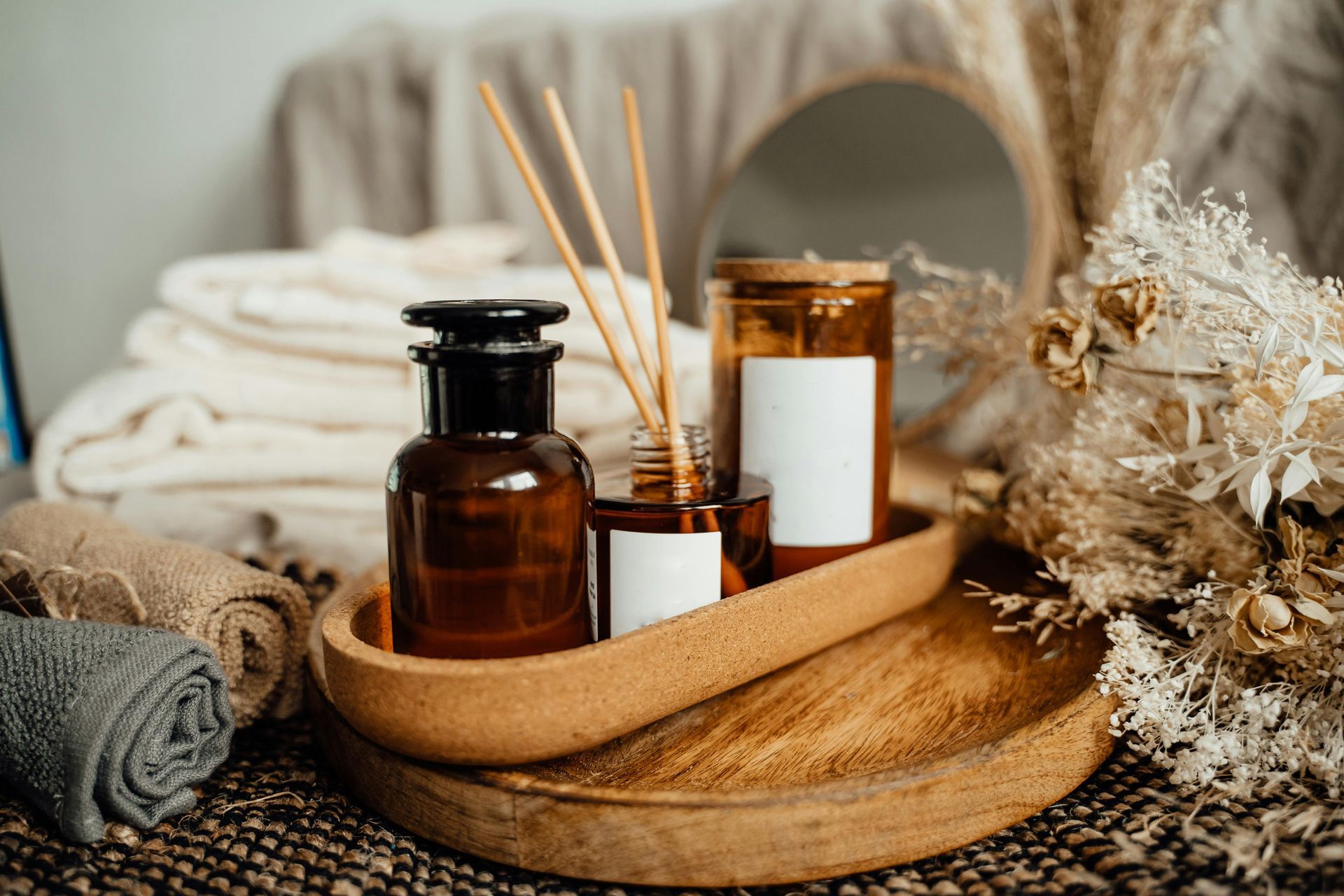
Environment plays a significant role in ritual based relaxation. Lighting, sound, temperature, and scent all influence how the nervous system responds. A thoughtfully designed space encourages the body to slow down and disengage from external demands.
When individuals step into a calm environment that feels separate from daily life, it becomes easier to let go of distractions and focus inward.

Sensory Engagement and Presence
Rituals invite presence. By engaging the senses intentionally, rituals draw attention to the moment rather than worries about the past or future. Gentle touch, soothing sounds, and quiet surroundings help ground the experience.
This sensory focus supports mindfulness, which is often linked to reduced stress and improved emotional regulation. Even brief moments of presence can have a meaningful effect on overall well being.
Consistency Builds Deeper Relaxation
Occasional relaxation can feel pleasant, but consistent ritual based care tends to have a more lasting effect. Over time, the body may learn to relax more fully and more quickly in response to familiar cues.
This consistency can help reduce chronic tension patterns that develop when stress is left unaddressed for long periods. Regular rituals reinforce the idea that rest is not a luxury, but a necessary part of a balanced life.

Ritual as a Form of Self Respect
Making time for ritual based self care is also a way of honoring personal boundaries. It sends a message that well being matters and deserves attention. This mindset can influence other areas of life, encouraging healthier choices and more intentional living.
Rituals create space to check in with oneself, notice physical and emotional signals, and respond with care rather than neglect.

Integrating Ritual Into Modern Life
Ritual does not require dramatic change. It begins with intention. Whether it is a scheduled spa visit, a quiet moment before a treatment, or a familiar sequence of care, rituals can be woven into modern life in a way that feels supportive rather than burdensome.
The key is consistency and presence, not perfection.
Creating Space for Meaningful Rest
At The Lux Day Spa, we believe that relaxation is most effective when it is approached with intention. Our treatments are designed to support ritual by providing an environment that encourages calm, presence, and restoration.
By embracing ritual as part of self care, relaxation becomes more than a fleeting escape. It becomes a meaningful practice that supports balance, resilience, and long term well being.