Managing Stress Supports Whole-Body Health
In a fast paced and constantly connected world, it is easy to think of stress as something that exists only in the mind. In reality, stress affects the entire body. The mind and body are deeply connected, and when one is overwhelmed, the other often responds in kind. Understanding this connection helps explain why intentional relaxation is not indulgent, but an important part of overall well being.
How Stress Shows Up in the Body
Mental stress does not stay confined to thoughts alone. It can influence muscle tension, breathing patterns, sleep quality, and energy levels. Many people notice tight shoulders, clenched jaws, headaches, or fatigue during periods of prolonged stress. These physical responses are signals that the body is reacting to mental and emotional strain.
Over time, chronic stress may contribute to a feeling of constant tension or restlessness. When the body remains in a heightened state of alert, it has fewer opportunities to reset and recover.
Relaxation as a Counterbalance
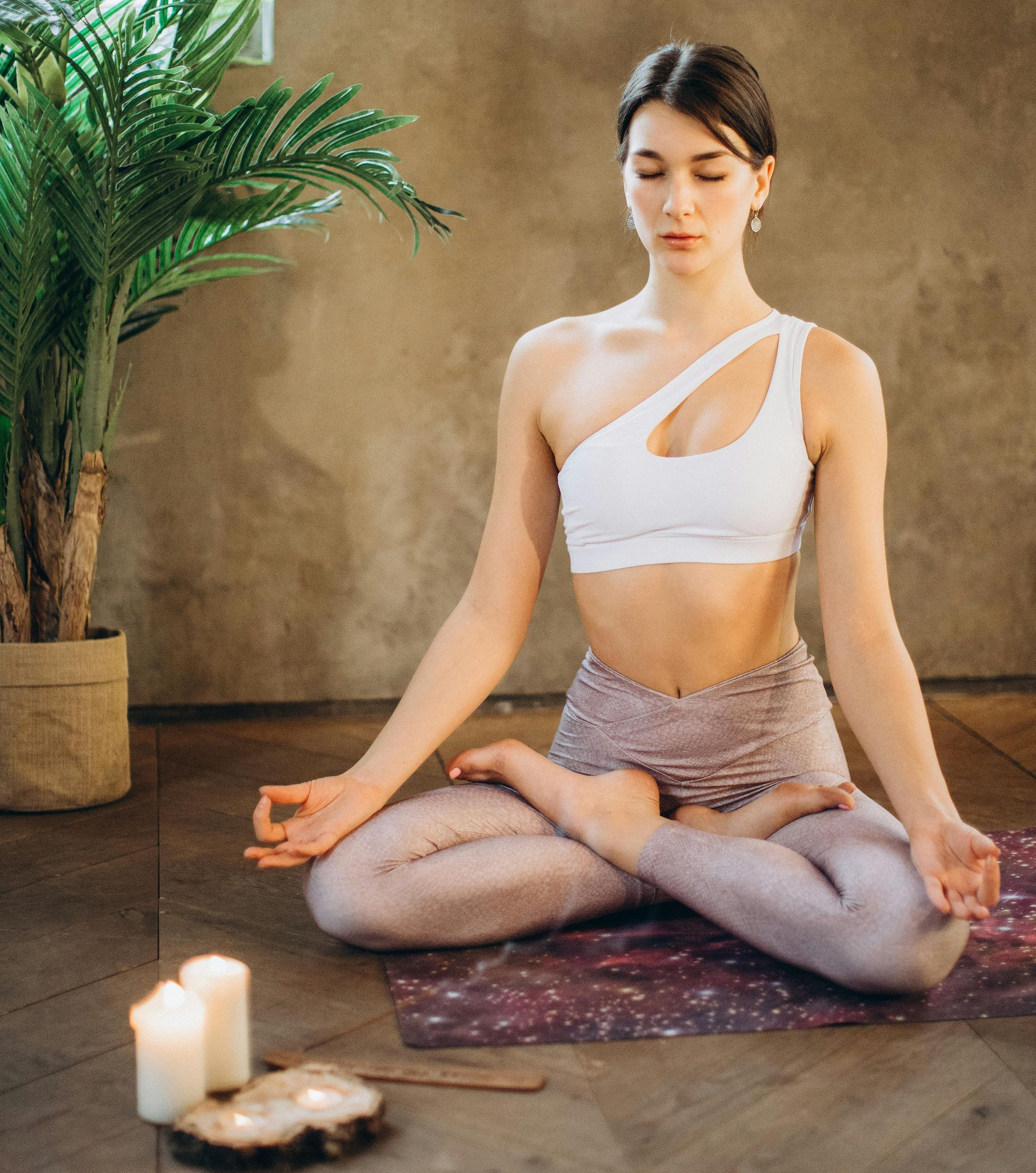
Relaxation creates space for the body to move out of a stress response and into a more balanced state. Gentle, intentional relaxation may help slow breathing, reduce muscle tightness, and promote a sense of calm. These shifts support the mind-body connection by encouraging the nervous system to settle.
Relaxation does not require complete stillness or silence. It simply involves stepping away from constant stimulation and allowing the body and mind to rest together.

Why the Environment Matters
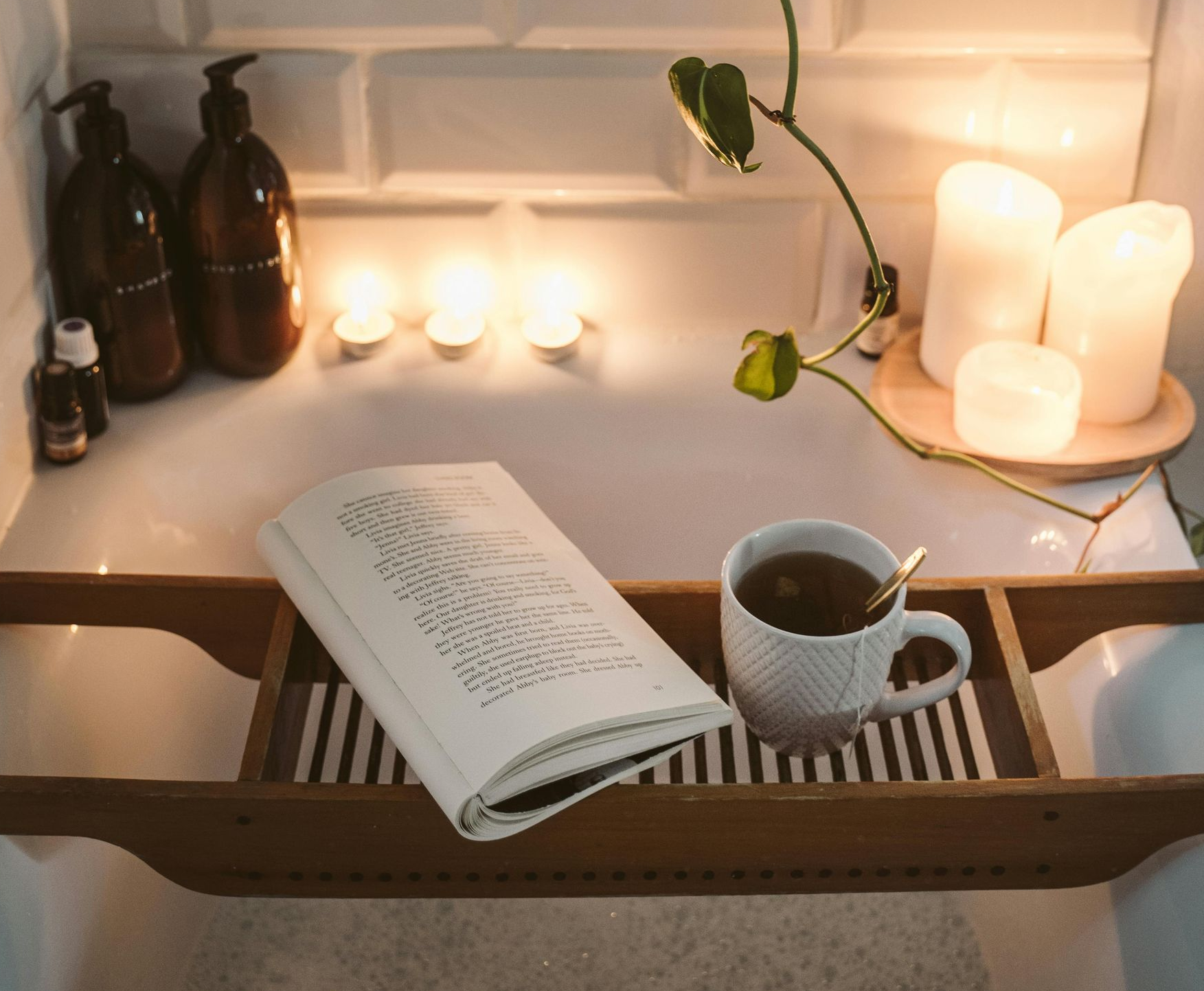
The setting in which relaxation occurs plays an important role. Soft lighting, comfortable surroundings, and a quiet atmosphere help signal to the body that it is safe to unwind. When the environment supports calm, the mind is more likely to follow.
Creating a space that encourages relaxation helps reduce distractions and allows attention to turn inward. This is one reason many people find it difficult to relax at home, where daily responsibilities and reminders are always present.

Touch and Awareness
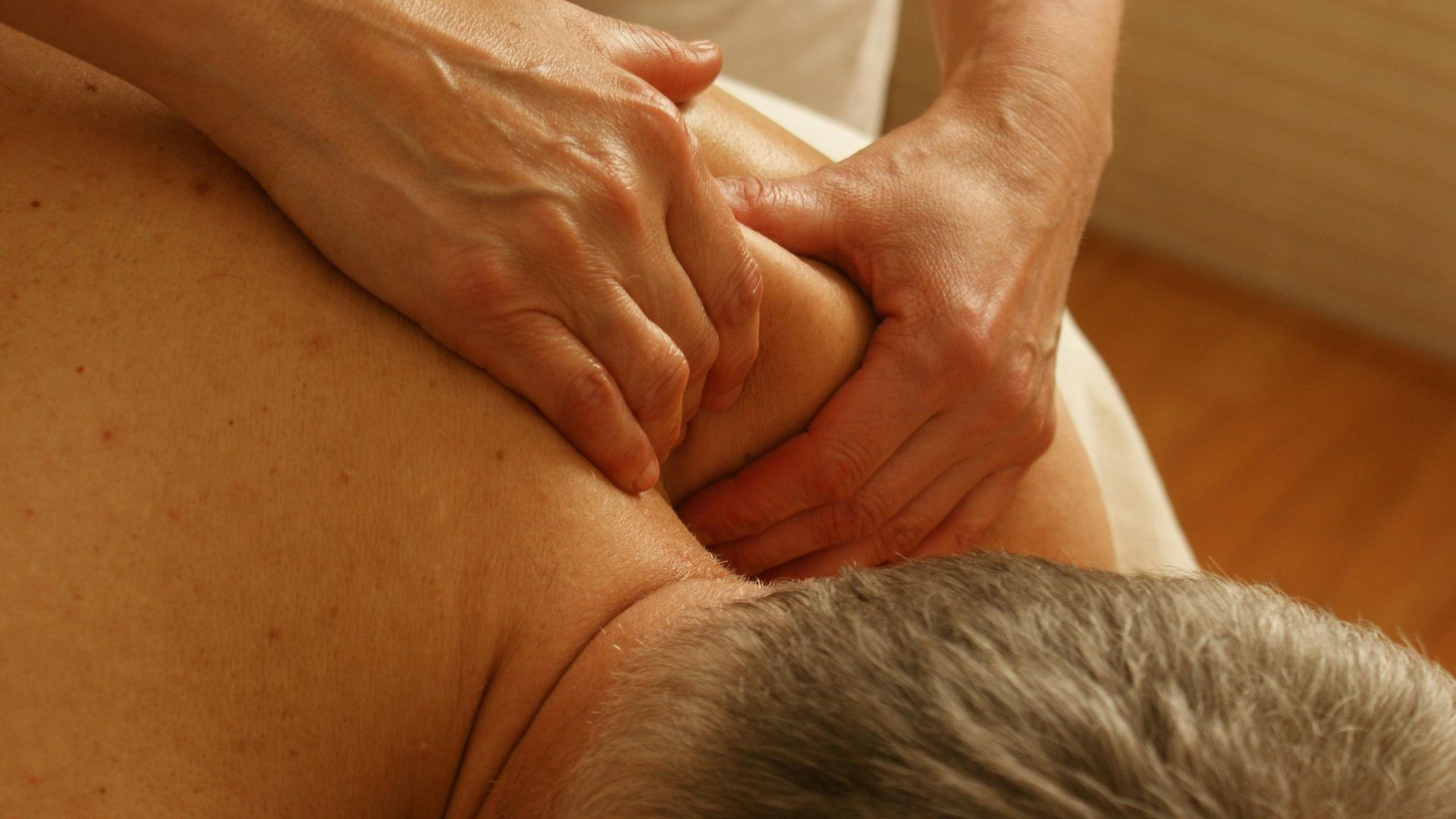
Touch-based experiences may help increase body awareness and encourage relaxation. When attention is drawn to physical sensations in a gentle and intentional way, it can help shift focus away from racing thoughts. This awareness supports a stronger connection between mind and body.
For some individuals, this type of relaxation may help them notice where they hold tension and begin to release it gradually. The goal is not to force relaxation, but to allow it to develop naturally.
The Role of Regular Relaxation
Relaxation is most effective when it becomes part of a routine rather than a one time response to stress. Making time for rest and calm on a regular basis helps support balance over time. Even brief moments of intentional relaxation can contribute to a greater sense of well being.
When relaxation is prioritized consistently, it may become easier to recognize stress signals earlier and respond more thoughtfully.
Supporting Emotional Well Being
The mind body connection also influences emotional health. When the body feels tense or fatigued, emotional resilience can be reduced. Conversely, when the body feels more at ease, it may be easier to manage daily challenges and maintain perspective.
Relaxation creates an opportunity to pause, reflect, and reset. This pause can support emotional clarity and help people feel more grounded.

Creating Space for Yourself
Making room for relaxation is an act of self respect. It acknowledges that well being requires attention and care. Taking time to relax does not mean avoiding responsibilities, but rather supporting the ability to meet them with greater presence and balance.
At The Lux Day Spa, we focus on creating an environment where relaxation feels natural and unforced. By supporting the connection between mind and body, we aim to offer experiences that encourage calm, awareness, and intentional rest. Relaxation matters because it helps the mind and body work together, supporting a more balanced and fulfilling daily life.