Integrating Spa Services Into Long-Term Self Care
Wellness is not built in a single moment. It is shaped by habits, routines, and the choices we make consistently over time. While spa services are often associated with special occasions, regular spa visits can play a meaningful role in supporting long term wellness goals when approached intentionally. Rather than viewing spa care as an occasional luxury, many people find value in incorporating it into an ongoing self care routine.

Wellness Is About Consistency, Not Intensity
Long-term wellness is rarely achieved through extreme or short lived efforts. Sustainable well being is more often supported by steady practices that help the body and mind reset on a regular basis. Consistent spa visits may provide an opportunity to pause, recalibrate, and address tension before it becomes overwhelming.
When care is scheduled regularly, it becomes part of a
broader wellness framework rather than a reaction to stress or burnout. This shift in mindset can help people prioritize maintenance instead of recovery alone.
Supporting Physical Relaxation Over Time
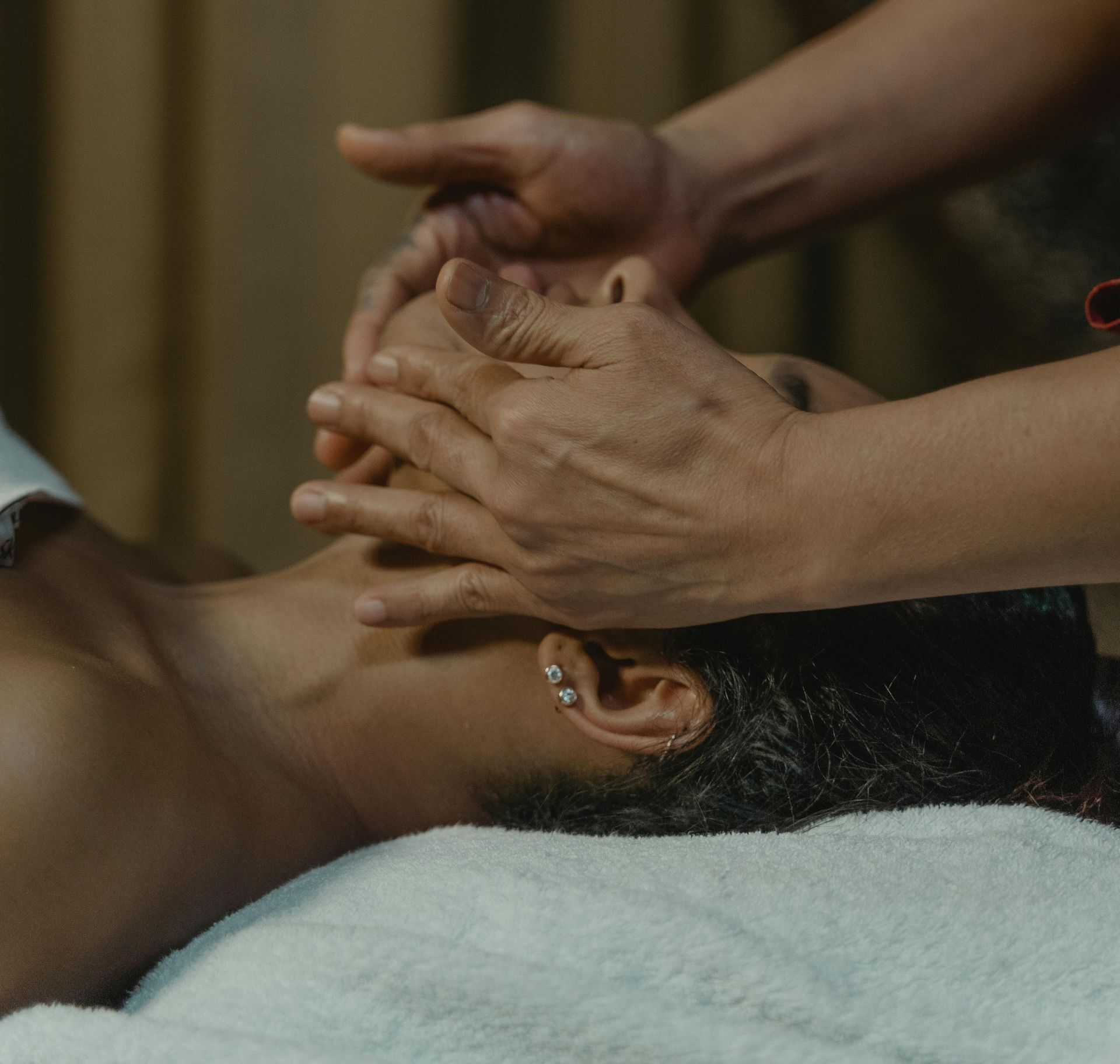
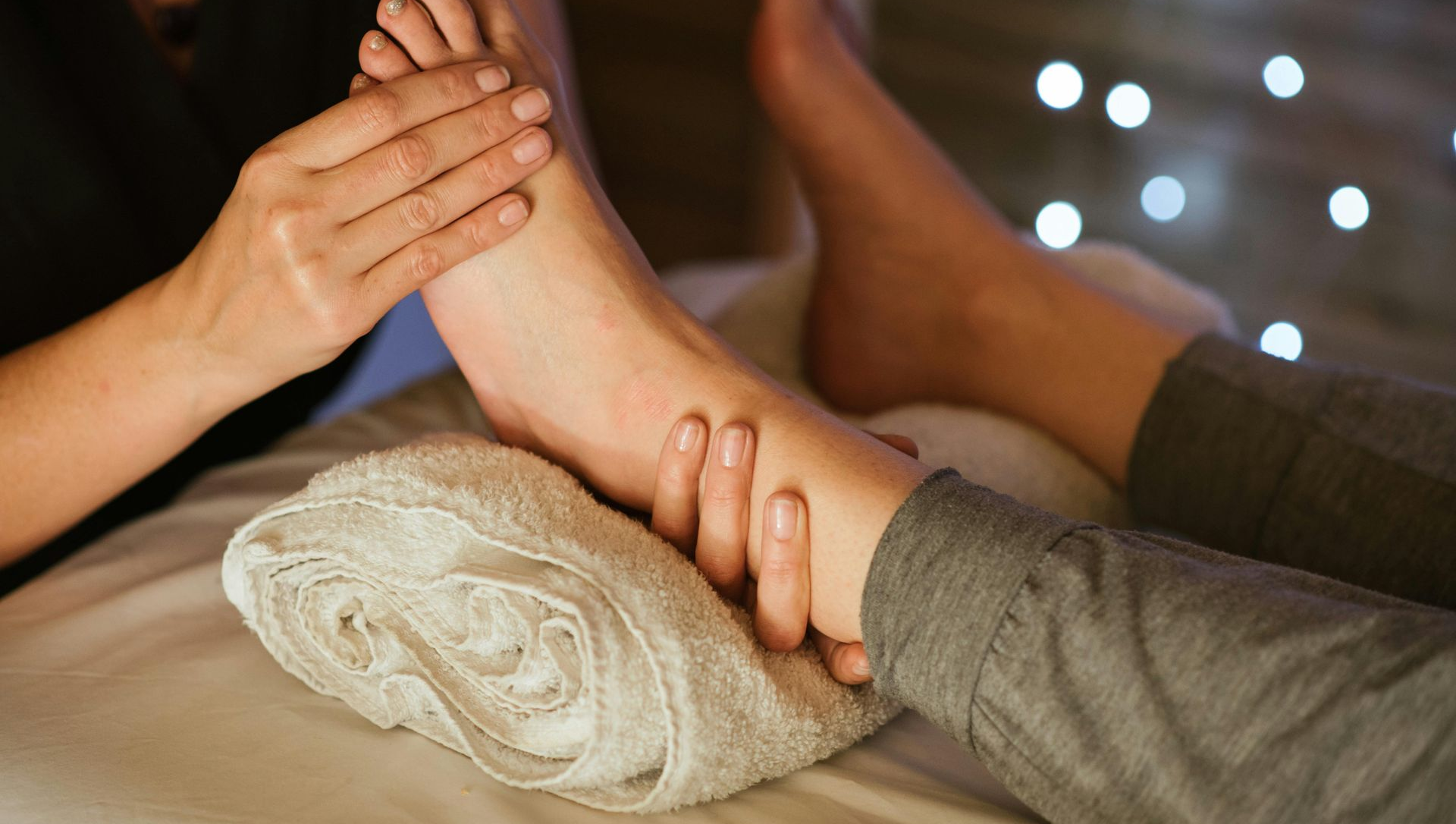
Physical tension often builds gradually through daily responsibilities, posture habits, and stress. Left unaddressed, this tension may contribute to discomfort, fatigue, or reduced mobility. Regular body focused care may help promote relaxation and improve awareness of physical patterns.
Over time, individuals may become more attuned to how their bodies respond to stress and rest. This awareness can support healthier movement habits and more proactive self care choices between visits.

Creating Space for Mental Reset
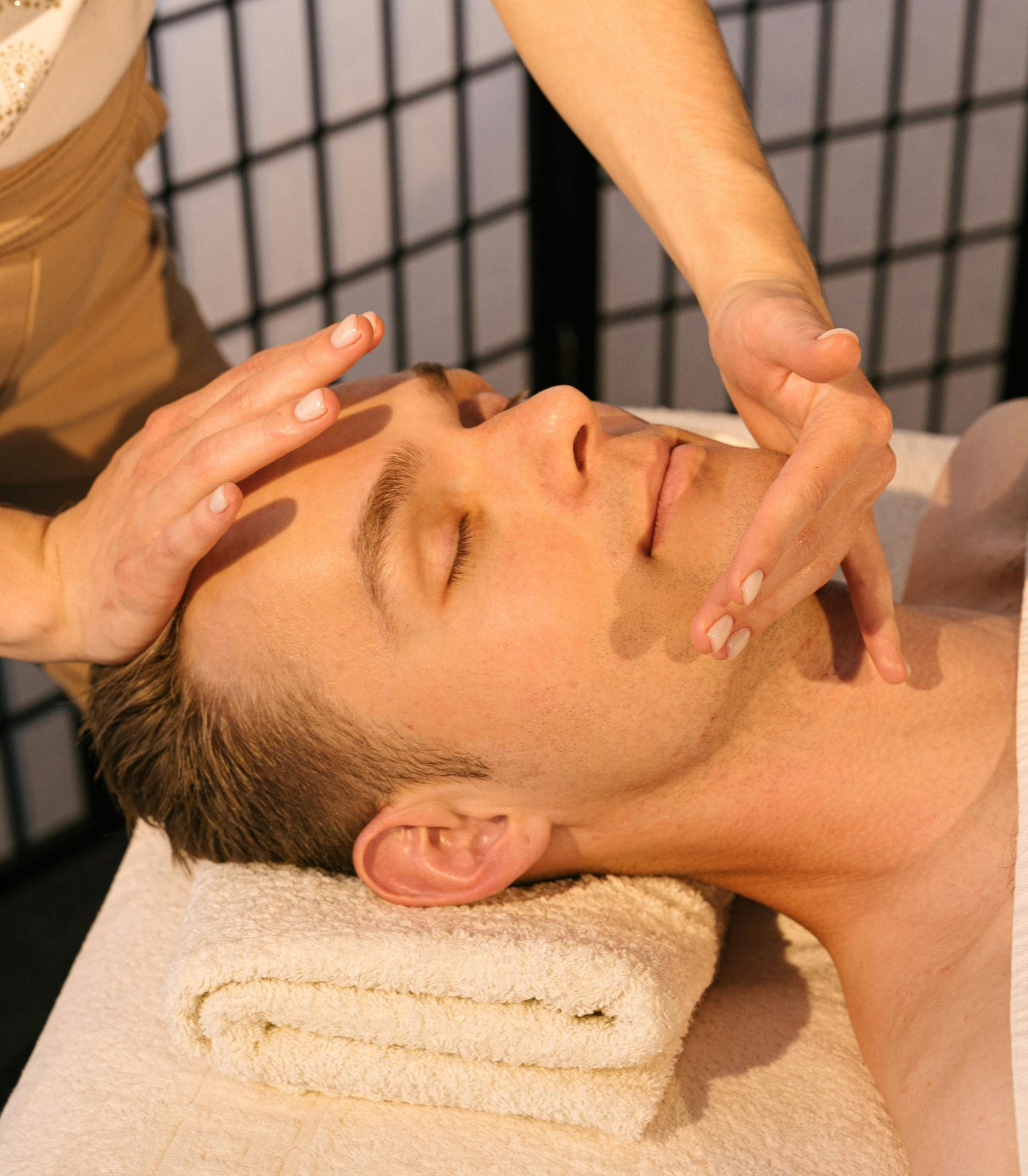
Mental well being is closely connected to how often we allow ourselves to slow down. Regular spa visits may offer structured time away from constant stimulation and responsibility. This intentional pause can help support mental clarity and emotional balance.
Rather than waiting until stress feels unmanageable, consistent wellness appointments encourage routine moments of stillness. These moments may help reduce mental fatigue and improve focus in daily life.
Establishing Healthy Rituals
Ritual plays an important role in long term wellness. When self care becomes predictable and planned, it is easier to protect that time from competing demands. Regular spa visits can serve as anchors in a busy schedule, reinforcing the idea that rest and care are necessary components of a healthy lifestyle.
These rituals also provide something to look forward to, which can positively influence mood and motivation throughout the week or month.
Encouraging Mind Body Awareness
Wellness is not only about what we do, but how aware we are of our needs. Regular spa care may help individuals recognize early signs of stress, tension, or imbalance. This awareness allows for earlier adjustments, whether that means modifying routines, setting boundaries, or prioritizing rest.
Over time, this connection between mind and body can support more thoughtful responses to stress rather than reactive ones.
Supporting Emotional Balance
Emotional well being is influenced by how often we feel supported and grounded. Regular wellness practices may help create a sense of stability and continuity. Knowing that time is set aside for care can reduce feelings of overwhelm and help people feel more in control of their schedules.
This sense of balance often extends beyond the spa experience itself, influencing how individuals approach work, relationships, and personal responsibilities.
Integrating Spa Care Into a Broader Wellness Plan
Spa services are most effective when viewed as one part of a comprehensive wellness approach. Nutrition, movement, sleep, and stress management all contribute to overall health. Regular spa visits may complement these efforts by supporting relaxation and recovery.
By integrating spa care into a broader plan, individuals can create a more balanced and sustainable approach to wellness.
Choosing Care That Aligns With Long Term Goals
Long term wellness looks different for everyone. Some people focus on stress reduction, others on physical comfort or emotional balance. Regular spa visits allow care to be tailored over time based on evolving needs.
At The Lux Day Spa, we believe wellness is built through intention and consistency. By making spa care a regular part of life, individuals may support long term well being in a way that feels grounded, restorative, and sustainable.